
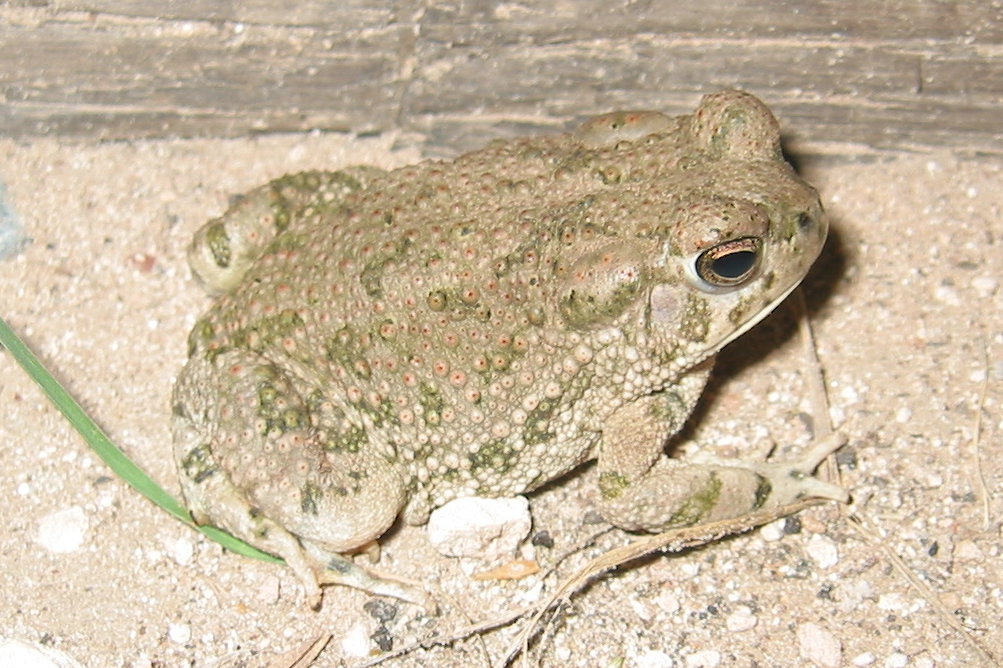
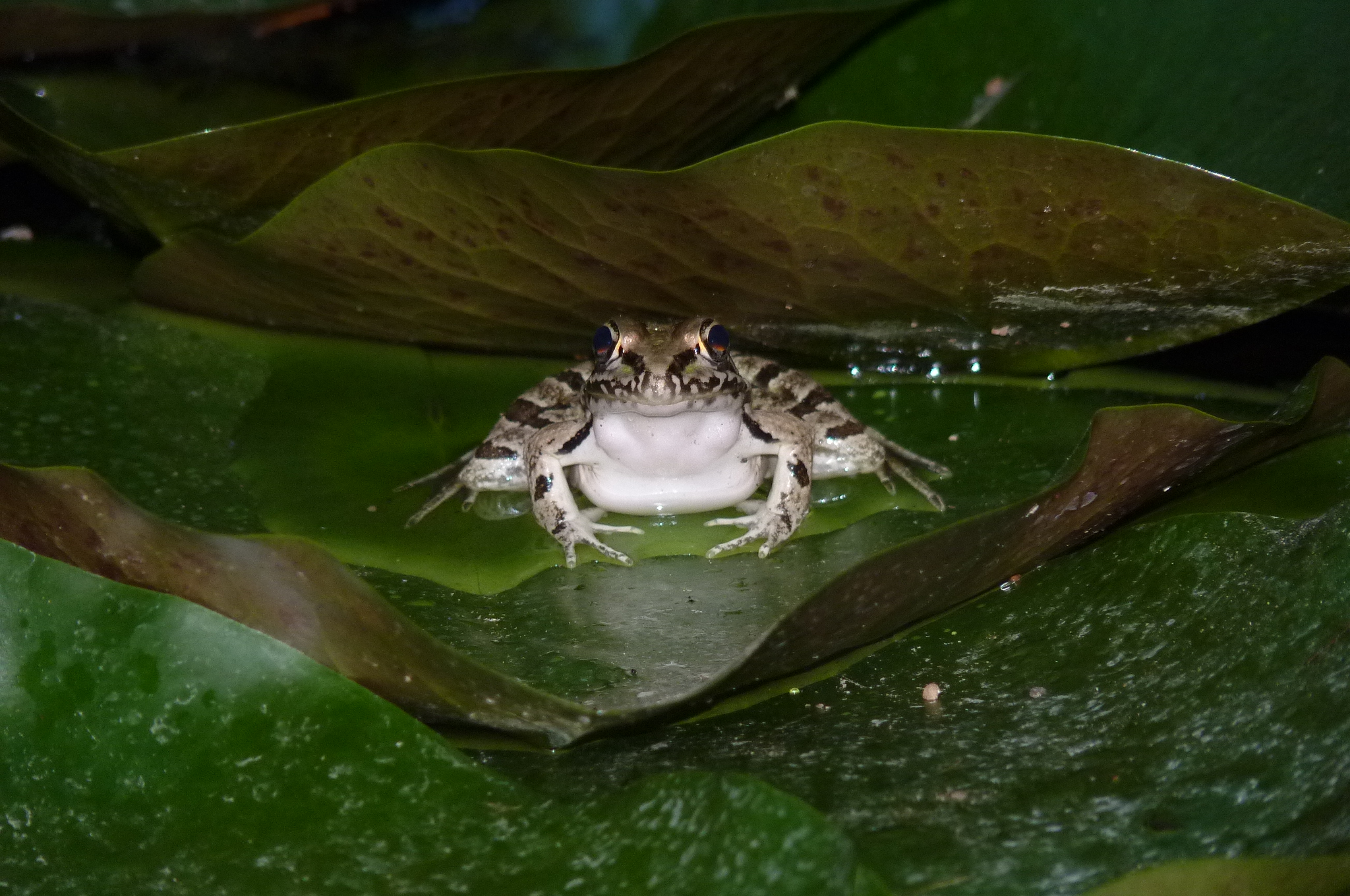
Herpetology, the study of amphibians and reptiles, is translated as the study of creepy, crawly things. Despite some people’s aversions, amphibians are more significant than one might think—not as the sources of warts and princes but as a barometer of the health of the environments everyone shares. At an international conference in 1989, scientists from all over the world became alarmed at what appeared to be dramatic declines in some amphibian populations. Then, in 1995, a group of schoolchildren in Minnesota was the first to notice an alarming rate of malformed limbs in a frog population (See “Plague of Frogs” story below). Because amphibians are associated with wetland habitats and because they have permeable skin, ecologists believe that declines in amphibian populations and malformations may serve as early warning indicators of broader changes in ecosystems.
There are other reasons to care about amphibians. They are a vital component of the ecosystems they inhabit. They are the dominant vertebrates in some wetlands, both in the number of species and the number of individuals present. Most larval amphibians eat algae–helping to clean aquatic systems. They may also feed on mosquito larvae. Adult amphibians are carnivorous. One study determined that the cricket frogs in one pond ate more than five million arthropods (insects, spiders, and crustaceans) in one year. Amphibians are also crucial as prey in the food web. When amphibian populations decrease, the health and diversity of their predator populations, such as birds, fish, and reptiles, may decrease.
Amphibians are also directly valuable to humans. Medical researchers have used chemicals found in their skin to address drug-resistant bacteria, cancer, heart problems, and HIV. Because many amphibians can regrow limbs, doctors have studied their physiology to understand better how to regenerate tissue in humans. Frogs are eaten as a staple in countries like Burkina Faso and as a delicacy in others. Finally, frogs have inspired ancient artwork, showing up in drawings in ancient Peru and Egypt and popular culture—think of Kermit the frog!
Subscribe to get access
Get access to the rest of this chapter and the entire contents of Texas Wildlife Science for a one-time subscription fee.
 Texas Wildlife Science
Leave a comment