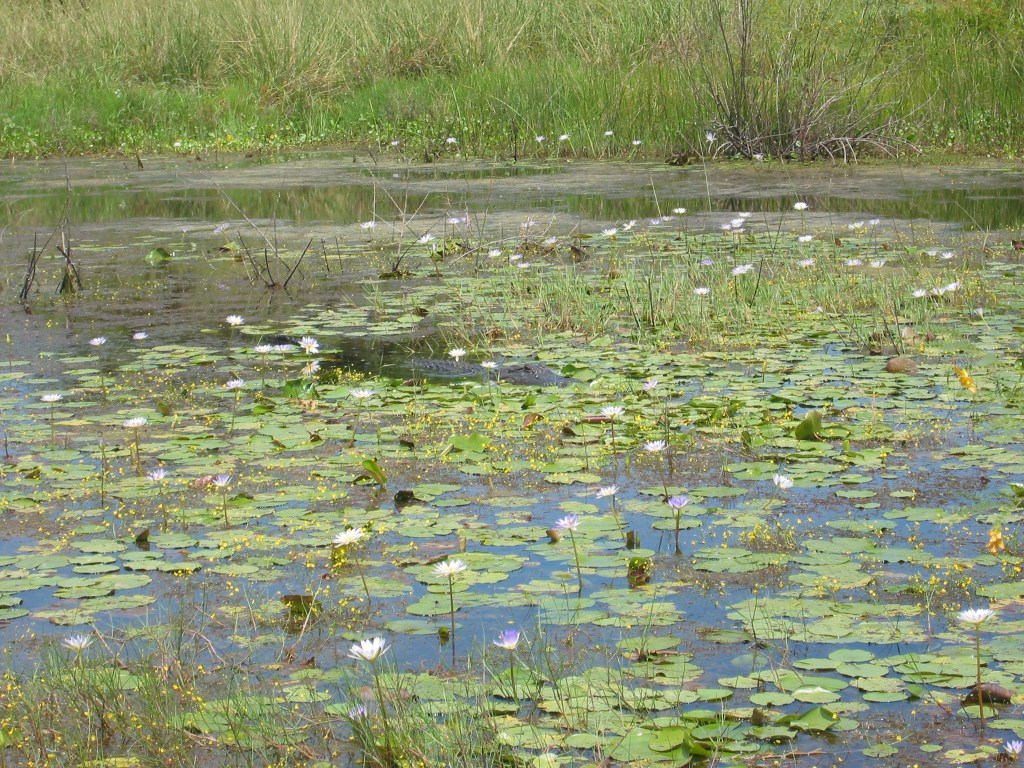
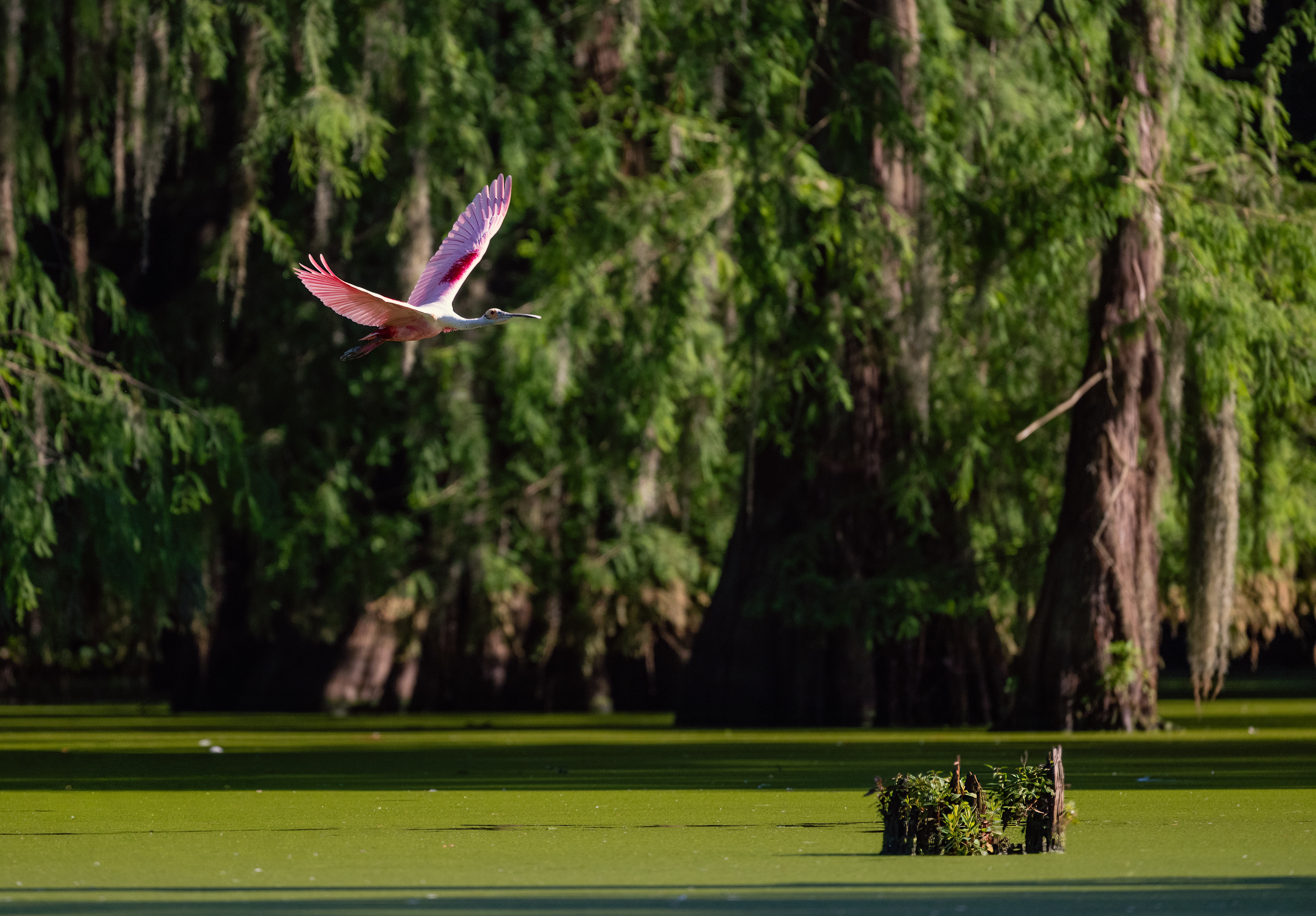
Texas has an arid reputation, and wetlands make up less than 3% of the state’s land area. Still, among all states, Texas has the fifth-largest acreage of wetlands. Furthermore, its wetland diversity is impressive, with the state hosting swamps, bottomland hardwood forests, riparian forests, marshes, bogs, springs, resacas, ciénegas, playa lakes, prairie potholes, and saline lakes.
Though wetlands were once considered wastelands, they are some of the most valuable habitats in the state. A status report from the U.S. Fish and Wildlife Services estimates that the ecological value of wetlands is at least 11 times higher than lakes and rivers, more than 36 times higher than forests, and about 33 times higher than grasslands.
Subscribe to get access
Get access to the rest of this chapter and the entire contents of Texas Wildlife Science for a one-time subscription fee.
 Texas Wildlife Science
Leave a comment