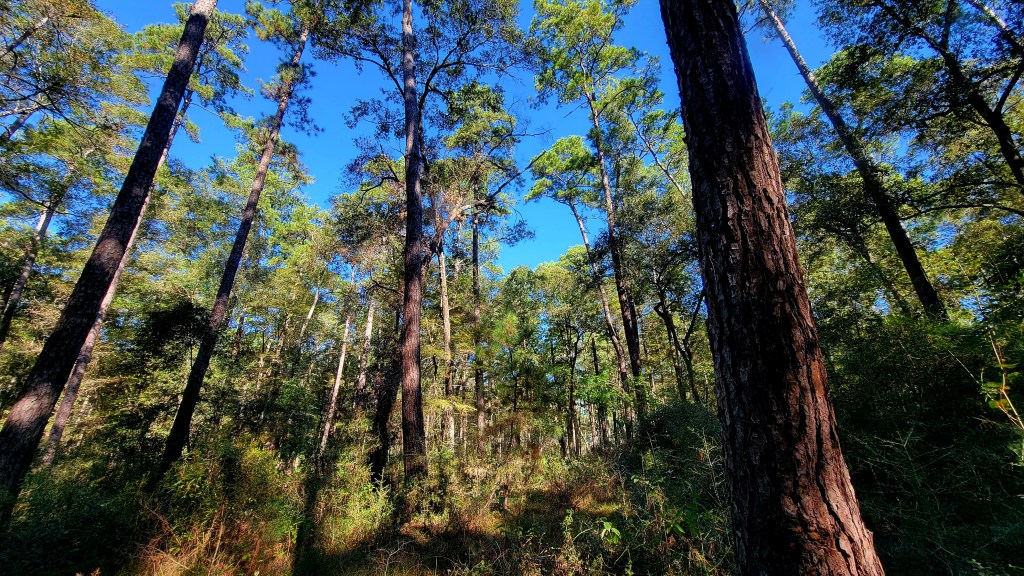

What a sight the original forests of Texas must have been for settlers arriving here! The Pineywoods had towering pine over 120 feet tall and open longleaf pine flatwoods where travelers could drive their carriage between the ancient trees. There were low-lying woodlands so overgrown with a rich variety of lush vegetation that the area was dubbed the “Big Thicket.” In the Cross Timbers, the bands of timber were so intimidating writers described them as “forests of cast iron.” Black bears, mountain lions, and Merriam’s elk roamed mountaintop islands of pine and Douglas-fir in the Trans-Pecos. In South Texas, 40,000 acres of verdant palm forest greeted Spanish explorers, so they first called the Rio Grande “Rio de las Palmas.” Over the years, many changes have occurred in Texas forests, but they still provide beautiful landscapes. They also still offer opportunities to manage and conserve.
Subscribe to get access
Get access to the rest of this chapter and the entire contents of Texas Wildlife Science for a one-time subscription fee.
 Texas Wildlife Science
Leave a comment