Texas, a leader among U.S. states in biodiversity, is rich in wildlife diversity, but this abundance of wild fauna does not exist on its own.
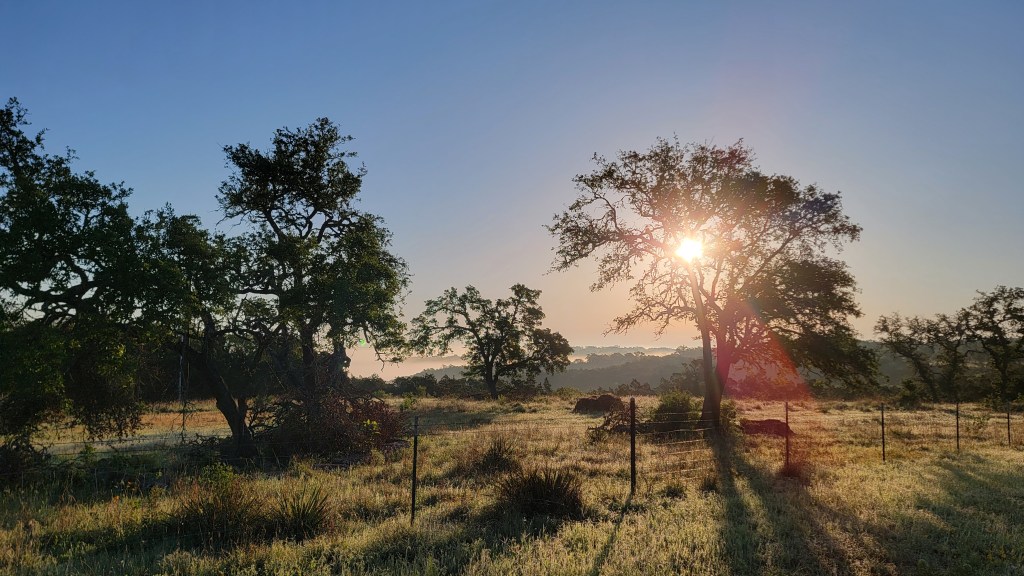
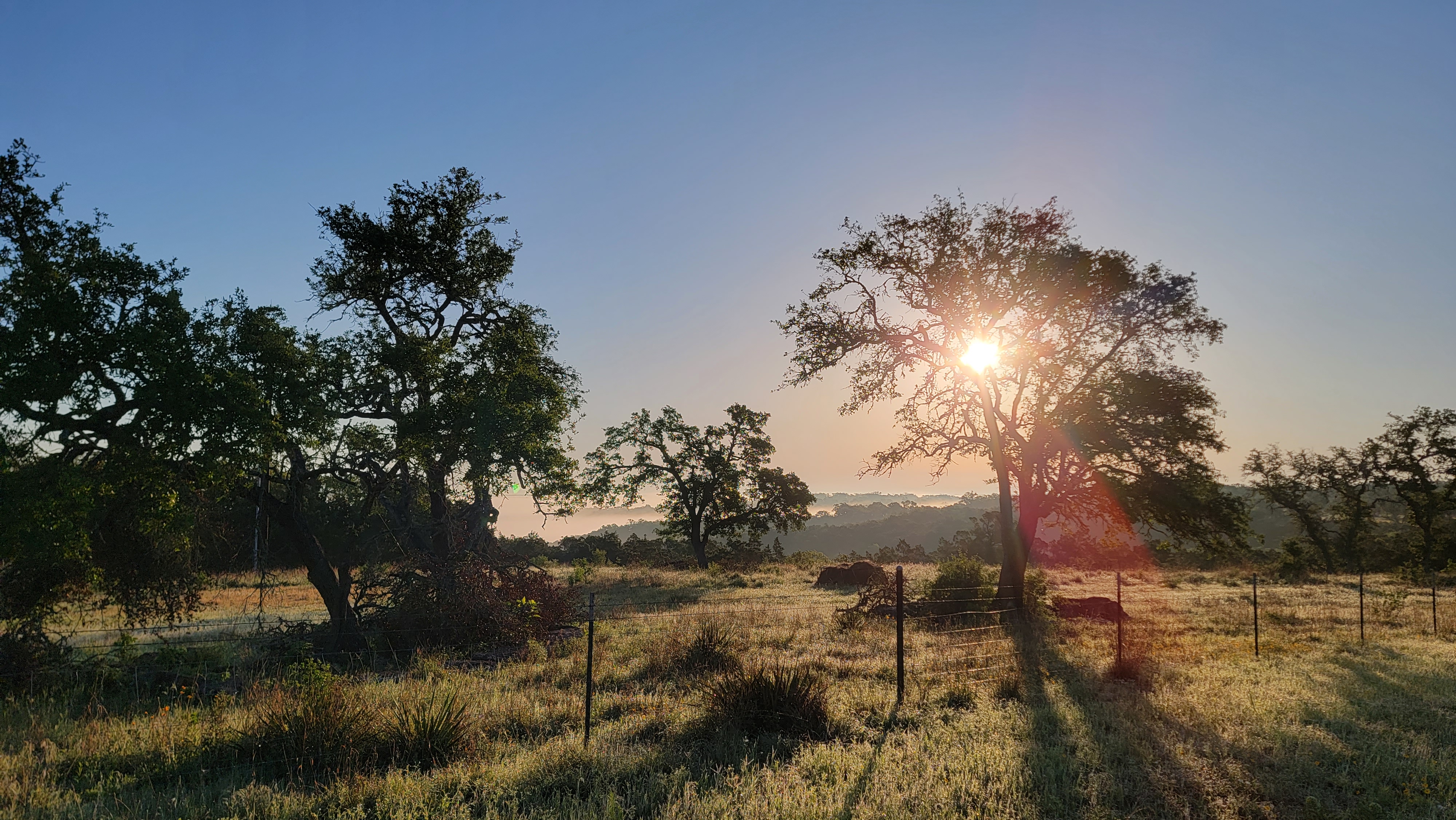
The physiography, geology, soils, and climate of the Lone Star State are the foundation for diverse plant communities, from the starkly beautiful deserts of West Texas to the cathedral longleaf pine forests of East Texas and from the windswept shortgrass prairies of the Texas panhandle to the lush subtropical palm forests of the Lower Rio Grande Valley. In these diverse and ever-changing plant communities, birds, mammals, reptiles, and amphibians occupy their own particular niches—predators follow prey, symbionts aid each other, keystone species create habitat for other members of the ecosystem, and wildlife scientists find a calling.
Wildlife science incorporates the disciplines of biology, ecology, land management, and even sociology to conserve or enhance wildlife species in their natural environment. Guided by a legacy of exploration, conservation ethics, and environmental law, wildlife scientists in Texas apply a variety of tools in managing wildlife habitats and wildlife populations in the state, working on public lands and especially with private landowners in the state to enhance valuable game populations, provide unparalleled wildlife viewing opportunities, and recover imperiled species. With few untouched landscapes in the state, wildlife scientists follow the adage of Aldo Leopold that wildlife habitat can be restored by some of the same tools—fire, axe, cow, plow, and gun—that first destroyed it.
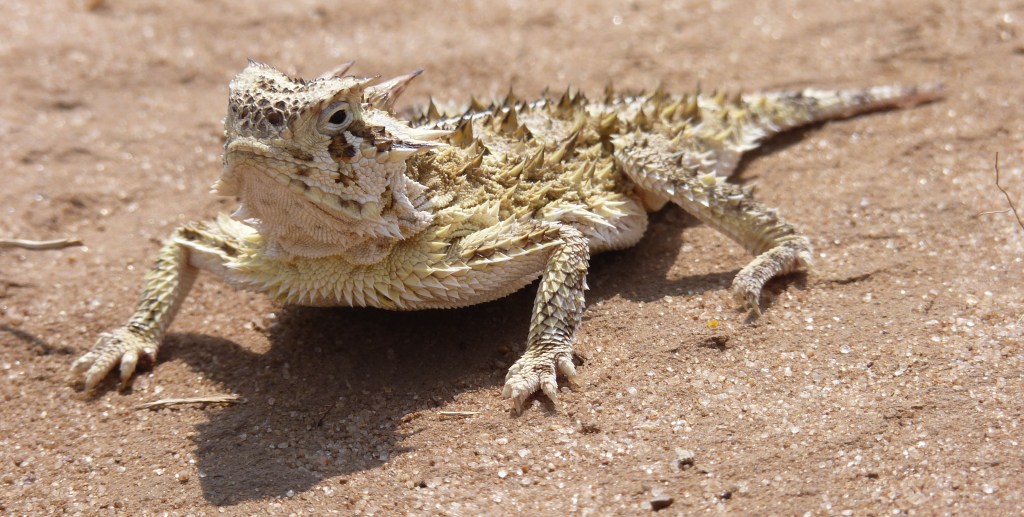
A tour through the diverse ecoregions of Texas offers a glimpse of how the conservation of species is interwoven with the conservation of habitats, application of science, and collaboration with Texas citizens. Quail management in the Rolling Plains of Texas produces healthy Texas Horned Lizard populations and leads to reintroduction opportunities for the beloved state reptile. Application of fire in mature pine forests in East Texas in Red-cockaded Woodpecker habitat creates a wonderland of pine canopy and herbaceous understory in campgrounds of National Forests and open space for Louisiana Pine Snakes. Sound deer management in the forests and savannahs of the Texas Hill Country protects Golden-cheeked Warblers, Black-capped Vireos, and Edwards Aquifer recharge, which supports aquatic endemics such as Texas Blind Salamanders and Cagle’s Map Turtles and ultimately benefits coastal wetlands, Whooping Cranes, and commercial and recreational fishing and birding on the Texas coast. And in the Texas Panhandle, outreach and education lead to the coexistence of cows, prairie chickens, and prairie dogs, and, as a result, keystone wildlife species provide soil enrichment and habitat for a rich assortment of mammals, birds, reptiles, and insects.
Although a variety of careers abound in Wildlife Science, from law enforcement to conservation genetics, wildlife conservation in Texas is not the purview of the professional alone. Opportunities exist for private landowners to collaborate on wildlife management plans, for citizens to volunteer as scientists, and for wild-scaped homes to provide habitat for backyard wildlife. For the wildlife scientist, the goal is the adoption of Leopold’s land ethic—helping Texas citizens see themselves as parts of Texas ecosystems and thus sustain wildlife populations for future generations.
 Texas Wildlife Science
Leave a comment