Texas Wildlife Science is designed to provide an understanding of wildlife ecology, management, and conservation while focusing on the natural history of Texas. It is ideal for high school and college students as well as adults who want to dive into the breadth and depth of species and habitats in the state. Texas Wildlife Science guides the reader through an understanding of basic ecology, the abiotic and biotic components of ecosystems, the diversity of vegetation communities and wildlife species, the dynamics of wildlife populations, the effects of habitat and population management, methods of monitoring and restoration, and the complexities of conservation.
How to read Texas Wildlife Science:
- A one-time subscription to texaswildlifescience.com provides access to all 17 chapters. Simply purchase access in Chapter 1 and then use your purchase email to log into all premium content online.
- Hardcover and paperback versions of Texas Wildlife Science are available on Amazon. (Rapid printing time.) Purchase on Amazon.
- The book is also available at a discount from IngramSpark. (Longer printing time.) Purchase Paperback. Purchase Hardback.
For Teachers:
Texas Wildlife Science is ideal as a textbook for middle school or high school students. A curriculum has been prepared that allows Texas Wildlife Science and Texas Aquatic Science (https://texasaquaticscience.org/) to be taught as a combined course for a science elective. Student and teacher lab manuals for the course are available for purchase at the One Day Academy Bookstore (Purchase lab manual).
Purchase of the group instruction set at One Day Academy also provides access to complimentary material for each chapter of Texas Aquatic Science and Texas Wildlife Science, including lesson plans, PowerPoint presentations with teacher notes, quizzes, and links to many wonderful lab and outdoor activities created by the author, Texas Parks & Wildlife Department, Texas Aquatic Science, Texas Wildlife Association, Ducks Unlimited, Project Wild, the Leopold Foundation, Deep in the Heart, and others.
For home educators, Texas Wildlife Science can serve as an engaging and challenging high school science elective. For public school educators, the content covers the majority of the Texas Essential Knowledge and Skills for both the science elective, Environmental Systems, and the vocational elective, Wildlife, Fisheries, and Ecology Management. For families, the content can be an enjoyable and educational overview of the diverse species and habitats of the state.
About the Author:
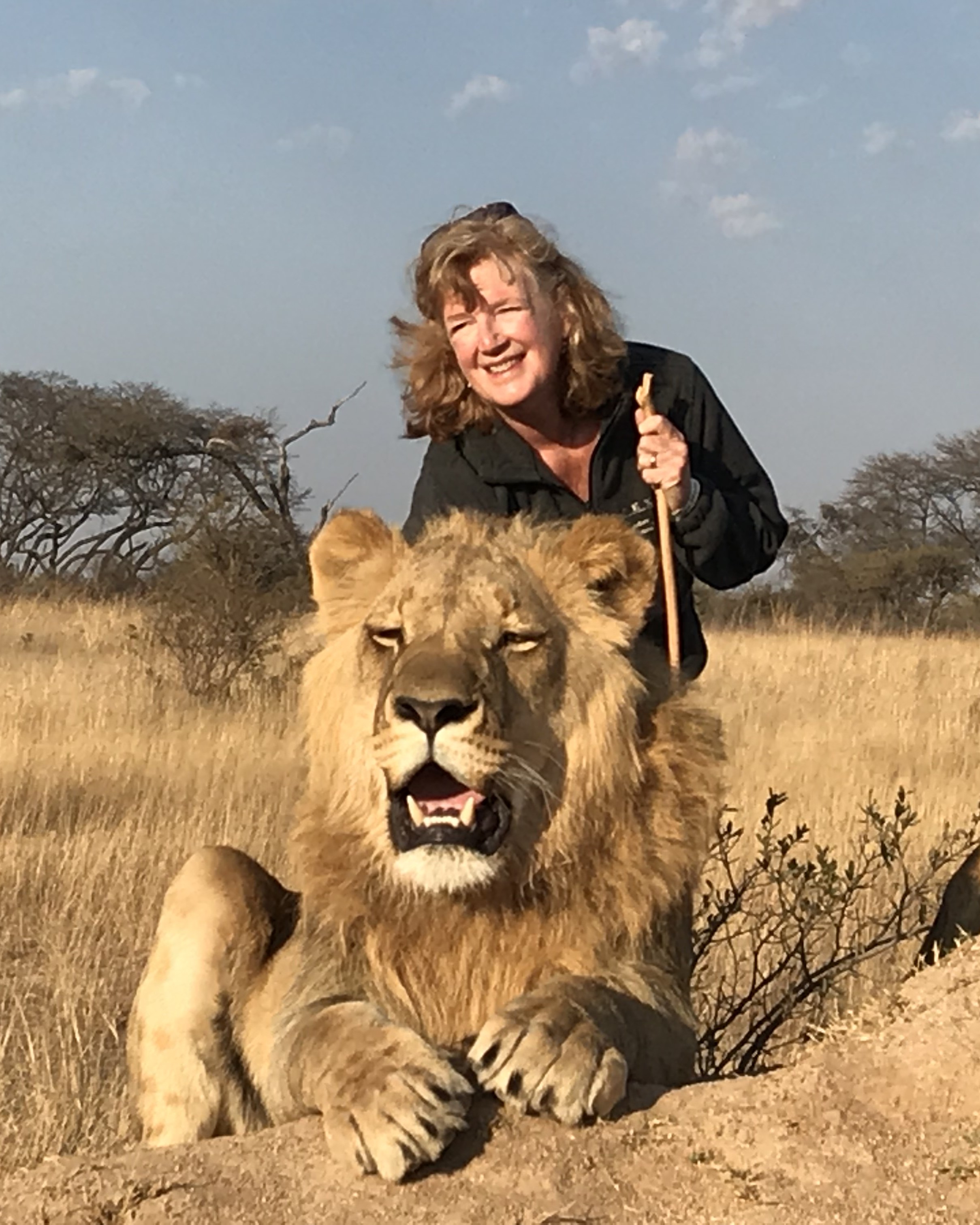
Lee Ann Johnson Linam holds a BS in Wildlife & Fisheries Sciences from Texas A&M University, a graduate diploma in Environmental Science from Monash University in Melbourne, Australia, and a graduate diploma in Global Nutrition Programs from Tufts University. She began her career with TPWD as a wetlands biologist at the J.D. Murphree Wildlife Management Area. Later, as part of the Wildlife Diversity Program, she developed the Texas Nature Trackers citizen science program and served as the Endangered Species Program Leader. Lee Ann has a strong interest in environmental education, taught science in private schools and homeschool academies for eight years, and serves as the director of Bridges to Birding–a nonprofit engaged in community-based wildlife conservation in Zimbabwe, Africa. Profits from Texas Wildlife Science are directed toward those conservation efforts in Africa.
For more information on Texas Wildlife Science contact: texas.wildlife.science@gmail.com.
Acknowledgements
Sincere thanks is offered to the individuals that reviewed the content of Texas Wildlife Science, including Patricia Morton, David Diamond, John Karges, Anne Harrison, Terry Blankenship, Linda Campbell, Ricky Maxey, Jim Neal, Jaime González, Marsha May, Robert Bradley, Lisa Bradley, Michael Smith, Mark Alan Storey, Brent Ortego, and David Bowles. A special thanks is offered to the late Dr. Ray C. Telfair, II, who taught me my first wildlife course and offered careful editing of the entire manuscript. Many friends and former colleagues shared excellent photographs or provided permission to use existing graphics. Attributions are found in the figure captions. Photos or illustrations lacking an attribution were contributed by the author.
 Texas Wildlife Science
Leave a comment