The Beginnings
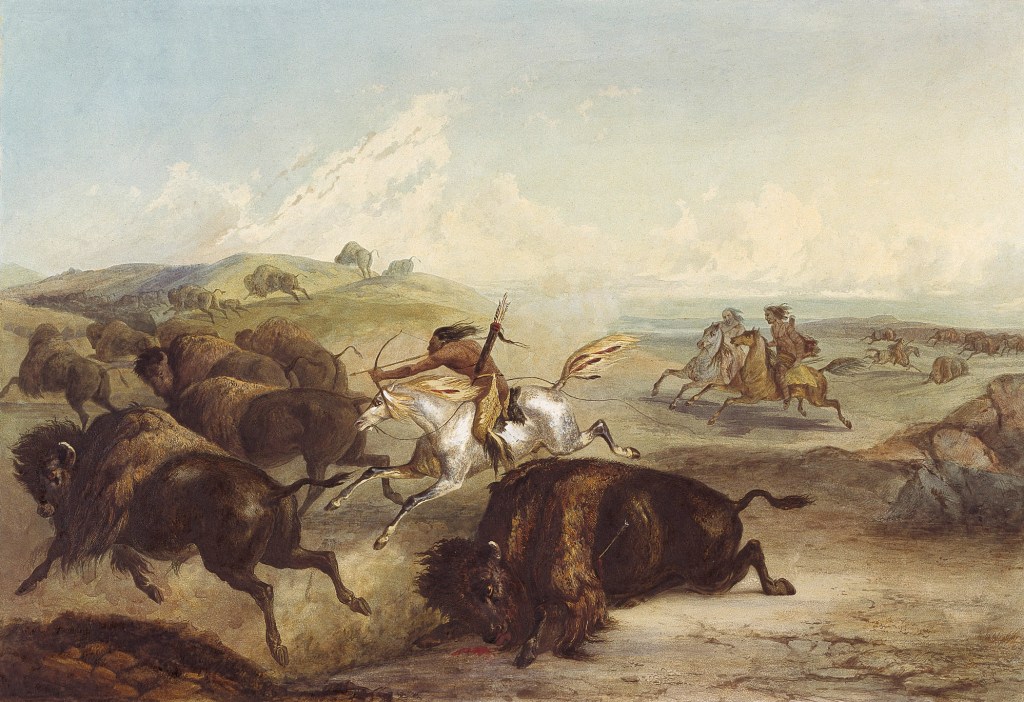
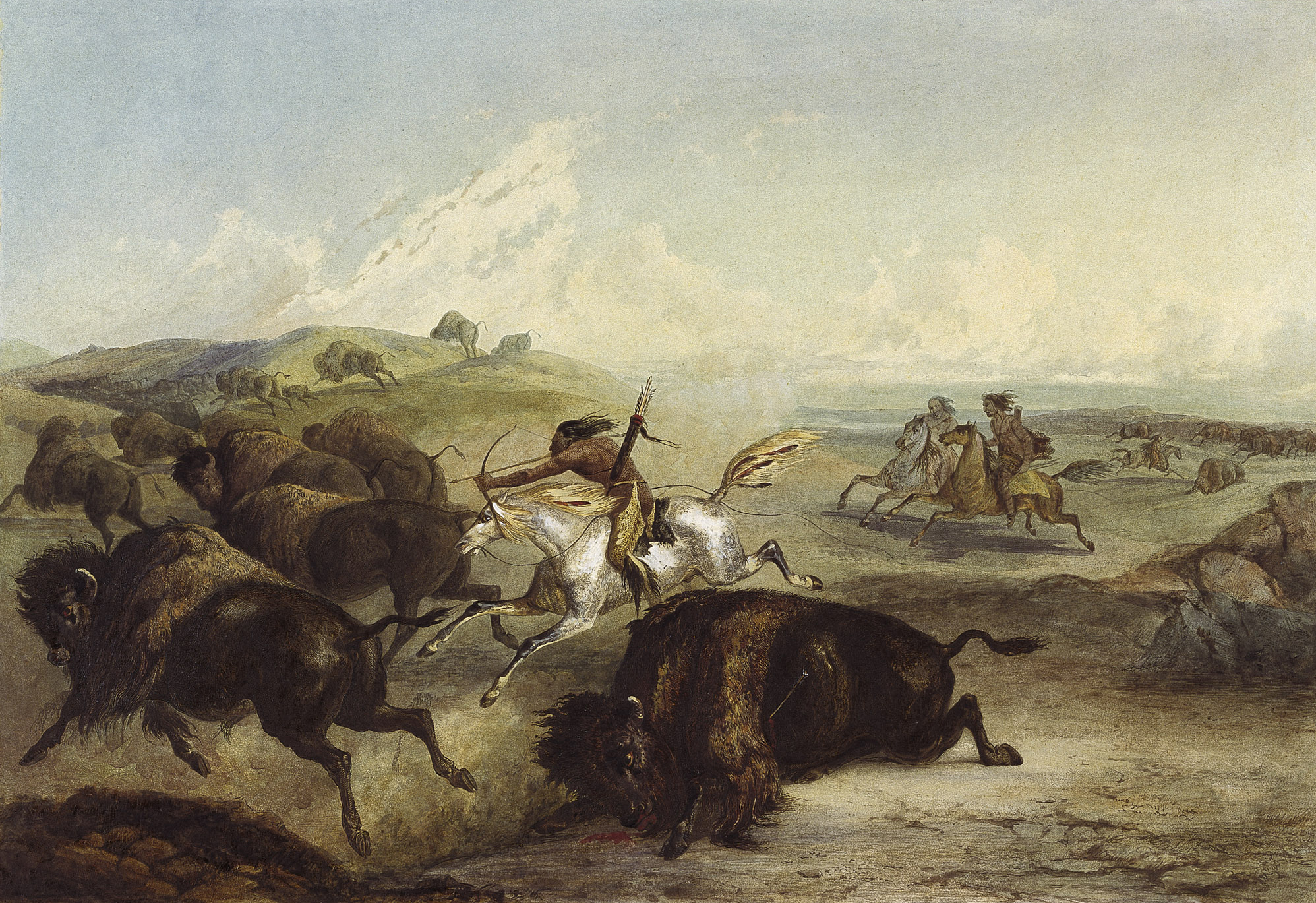
For eons, humans have observed and interacted with wildlife, including the very first people to inhabit this continent. Native American attitudes toward wildlife were deeply rooted in their spiritual beliefs and practical needs. They relied on hunting and gathering for sustenance and often held a deep respect for nature, viewing animals as sacred and interconnected with the natural world. The first indigenous people survived by gathering plants and hunting both small wildlife and megafauna. (Megafauna are literally “large animals.” Megafauna in North America included woolly mammoths, mastodons, gigantic sloths, wild horses and camels, and enormous armadillo-like glyptodonts. Evidence of wildlife use has been found in many locations, including spear tips among bone fragments of harvested animals, duck decoys made of reeds, and pictographs of birds, reptiles, wolves, deer, and bison.
These early North Americans could be called Texas’s first naturalists since they had to observe the species they hunted closely. They may have also been the first wildlife managers, using fire and other tools to shape landscapes to benefit species and aid their hunts. On the other hand, early nomadic hunters likely did not comprehend sustainable harvest at first, and some researchers believe hunting pressure combined with climate shifts caused the extinction of almost half of North America’s megafauna.
Subscribe to get access
Get access to the rest of this chapter and the entire contents of Texas Wildlife Science for a one-time subscription fee.
 Texas Wildlife Science
Leave a comment